
On November 16, 2026, approximately 10.39 million USDC flowed out of Lighter's Ethereum settlement contract. In its subsequent report, Lighter stated that the trader used self-developed signature code that reused the nonce (a one-time signature value), allowing the API private key to be recovered from public data. While lower-privilege API keys are not normally allowed for direct withdrawals, the combination of fund transfers and share redemption mechanisms within the public pool enabled the funds to flow out across accounts.
Lighter stated that the protocol, smart contracts, and infrastructure themselves were not compromised. The platform separately intercepted a withdrawal attempt, and approximately 5 million USDC was subsequently returned. The 10.39 million USDC is the on-chain verifiable single outflow amount; the final net loss of the incident is still pending confirmation.
Event Timeline
Time (UTC) | event |
November 16, 10:11 | The Lighter settlement contract transferred 10,393,057 USDC to the address in question. |
Starting at 10:13 AM on November 16th | The address in question exchanged the funds in batches through CoW Swap, obtaining a total of approximately 5,764 ETH. |
November 16, 11:02 | Lighter has suspended withdrawals and the creation of new fund pools. |
During emergency response | Lighter has enabled Guardian mode. Another withdrawal attempt was blocked, and approximately 5 million USDC was returned. |
Starting from 18:20 on November 16th | Lighter released a recap of the incident and subsequently announced the removal of Guardian mode and the restoration of deposits and withdrawals. |
The on-chain address involved is 0xb3fffca23d4444eE73349825ACD84f7b5020e387
The root cause is the repeated use of nonce in the self-developed signature code.
Lighter's orders use ECDSA signatures. When the same private key is used to sign different messages, if the same nonce is reused, the private key can potentially be derived from the public signature. Lighter stated that the transacting party in question used its own implemented signature code, and the platform's official SDK was not affected by this issue.
At the time of the incident, the order signature was written along with the transaction into the publicly available on-chain calldata. This exposed a flaw in the signature code on the chain, allowing attackers to recover the API private key of the account in question without compromising the Lighter system.
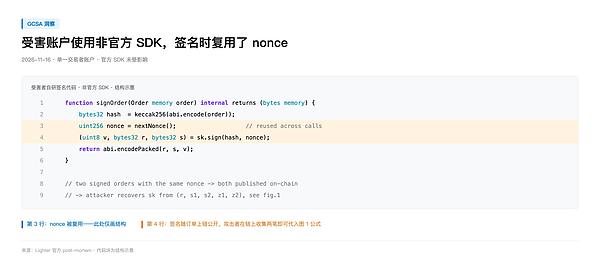 Figure 1: Schematic diagram of self-developed signature code structure - nonce is reused across multiple calls.
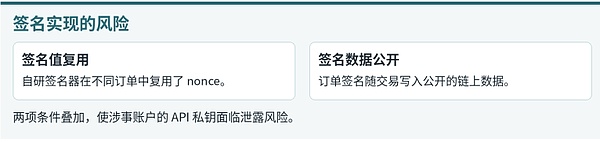
Figure 2 Key risks arising from signature reuse and signature disclosure
Why did the public pool cross the withdrawal permission boundary?
Lighter's API key itself does not have external withdrawal permissions. The problem lies in the public pool's permission model. During the transfer process, the platform treats the creator's public pool as an account under the same owner, but this pool allows other accounts to hold redeemable shares. When the assets in the pool increase, the shares are not issued accordingly, thus increasing the value of assets redeemable by external holders. Funds that were originally processed as internal transfers can ultimately flow to another account through share redemption.
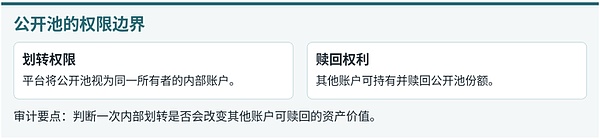
Figure 3. Authority Boundaries for Public Pool Transfers and Share Redemptions
Two fixes have been implemented in Lighter.
Lighter states that transferring funds to public pools now requires wallet signatures; simply holding the API key is no longer sufficient to authorize this operation. Furthermore, the platform has moved API signature data out of public calldata to reduce the chance of on-chain observers exploiting signature implementation flaws.
Lighter also stated that it will further add IP whitelists and limits configured by API key to reduce the impact of a single key leak.
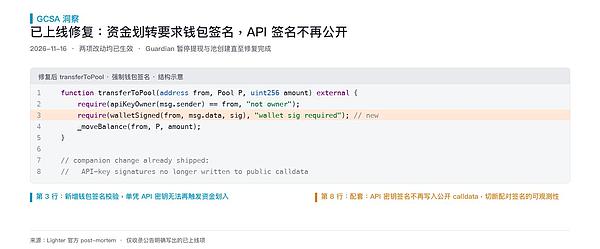 Figure 4. Wallet signature verification and API signature data protection
Conclusion
For trading platforms with open APIs, authorization reviews should cover who ultimately controls the funds. Internal transfers, sub-accounts, and share redemptions each have their own authorization rules, and these functions need to be examined together during audits. If an internal transfer can change the value of a third party's redeemable assets, the authorization should be reviewed as an operation with the effect of external transfer.
This incident also illustrates that for trading teams using in-house signature generators, the signature implementation and key permissions need to be reviewed together. A signature error may expose the key, while the combination of permissions determines the extent of the damage that key can cause.
Source of information
Lighter Official Announcement Regarding the Resumption of Deposits and Withdrawals
Coinlive's report on fund interception and return.
Please follow GCSA on the following social media platforms; we will update you with the latest news as soon as possible.
GCSA X (Twitter):
GCSA Telegram:
GCSA WeChat Official Account:
https://mp.weixin.qq.com/s/MZadK42X1kFG-RTqFTps5w
Source:Global Cybersecurity Alliance (GCSA)
Website:www.gcsa.org
Get updates in your inbox
We respect your privacy. See our Privacy Policy